Microcurrent Therapy Benefits
In today’s fast-paced world, people from all walks of life are looking for ways to support their health, improve recovery,
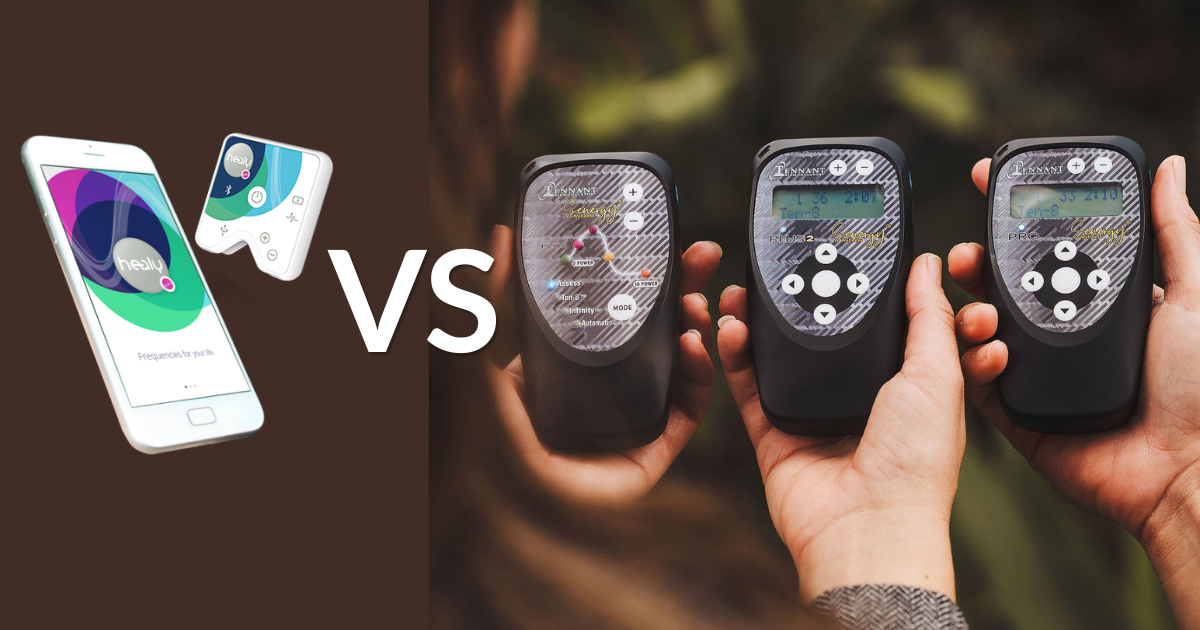
As interest in microcurrent therapy continues to grow, many people exploring wellness technologies come across multiple devices and wonder how they compare. Two of the most frequently discussed options are the Healy system and the Tennant BioModulator®. While both devices involve frequency-based approaches and low-level electrical currents, they differ in how they deliver and apply this technology.
Understanding these differences can help individuals make more informed decisions based on their personal wellness goals.
Microcurrent therapy involves the use of very low-level electrical currents—similar to the body’s own bioelectric signals—to support cellular function. Research into electrical stimulation has examined how these currents may influence biological processes such as ATP (cellular energy) production, protein synthesis, and membrane transport.
One often-cited study explored how electrical currents affected ATP generation and cellular activity:
Effects of Electric Currents on ATP Generation, Protein Synthesis, and Membrane Transport
https://pubmed.ncbi.nlm.nih.gov/7140077/
While research is ongoing, this area of study has contributed to growing interest in microcurrent-based wellness tools.
The Tennant BioModulator® is a handheld device designed to deliver microcurrent therapy directly through the skin using electrodes. Unlike more abstract or software-driven systems, it focuses on targeted applications to specific areas of the body.
One of its distinguishing features is reaction technology, which helps identify areas where electrical imbalance may exist. This allows users—whether individuals or practitioners—to take a more guided and focused approach to therapy.
The device also includes preset frequencies and treatment modes (depending on the device model), making it relatively straightforward to use. Its portability supports both at-home use and integration into professional wellness settings.
The BioModulator® delivers patented microcurrent frequencies that interact with the body’s electrical communication systems. These signals are designed to:
Support healthy cellular energy production
Encourage the body’s natural repair mechanisms
Promote overall physical comfort
Additionally, the Tennant BioModulator® is FDA-cleared for:
Symptomatic relief and management of chronic, intractable pain
Adjunctive treatment for post-surgical and post-traumatic pain
For those seeking a non-pharmaceutical, non-invasive option, this device is often considered a practical and structured approach to microcurrent therapy. People and clinics have used these devices for over 20 years with great (and growing) success.
The Healy device takes a slightly different approach, combining microcurrent delivery with software-driven frequency programs and bioresonance concepts.
A central feature of the Healy system is its bioresonance scanning capability, which is designed to assess the body and determine which frequencies may be needed at a given time. Based on this scan, the device delivers Individualized Microcurrent Frequency (IMF) programs through electrodes typically worn on the wrists or earlobes.
This process is often described as aiming to support bioenergetic harmony—with the goal of helping restore the body’s electrical balance. The Healy system relies heavily on pre-programmed frequency sets and digital interfaces, making it more software-oriented compared to traditional handheld microcurrent medical devices.
Although both devices utilize microcurrent therapy, their methodologies differ in several important ways:
Tennant BioModulator®: Direct, targeted application using handheld electrodes or attachments placed on specific areas of the body
Healy: Indirect application via wearable electrodes connected to programmed frequency sessions
Tennant BioModulator®: Focuses on electrical signaling and physiological interaction with tissues
Healy: Combines microcurrent with bioresonance concepts and software-driven frequency selection
Tennant BioModulator®: Structured protocols with immediate feedback & response mechanisms (reaction technology)
Healy: Automated scans and individualized frequency programs
Tennant BioModulator®: Commonly used by both practitioners and individuals seeking targeted microcurrent therapy
Healy: Often used by individuals interested in frequency-based wellness systems and bioenergetic balancing
Tennant BioModulator®: FDA-cleared for specific pain-related applications, American-made & manufactured.
Healy: Marketed primarily as a wellness device (regulatory status may vary by region and application). Manufacturing origin unknown.
Because both systems use microcurrent therapy but apply it in fundamentally different ways, the right choice often depends on what you’re looking for.
Some individuals prefer a hands-on, targeted approach with structured protocols and measurable feedback, while others are drawn to automated, frequency-based systems that emphasize bioenergetic concepts.
In either case, taking the time to understand how each device works—and speaking with a knowledgeable professional—can help you determine which approach aligns best with your wellness goals.
The Healy and Tennant BioModulator® represent two distinct directions within the evolving field of frequency & microcurrent therapy. One emphasizes targeted electrical application and guided feedback, while the other focuses on individualized frequency programs and bioresonance principles.
As the field continues to develop, having a clear understanding of these differences can make it easier to navigate your options and choose a system that fits your preferences and lifestyle.
In today’s fast-paced world, people from all walks of life are looking for ways to support their health, improve recovery,
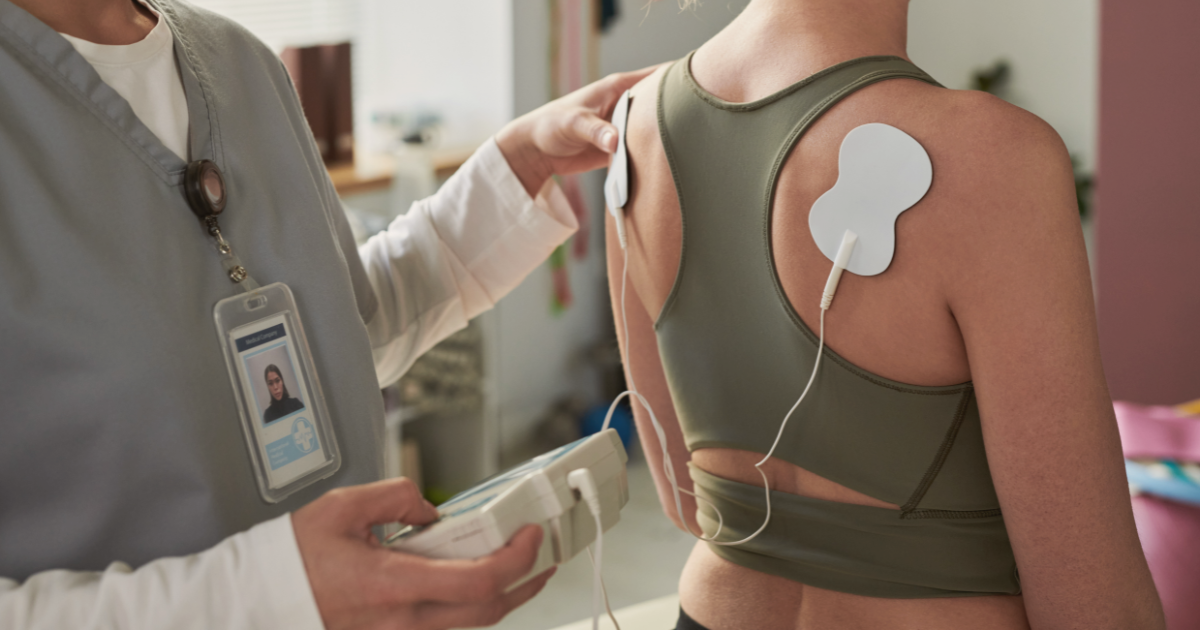
Microcurrent Therapy vs. TENS: Understanding the Key Differences Microcurrent therapy and TENS therapy are often confused because both technologies involve