
Healy vs. Tennant BioModulator®
Healy vs. Tennant BioModulator®: Similarities & Differences As interest in microcurrent therapy continues to grow, many people exploring wellness technologies


In today’s fast-paced world, people from all walks of life are looking for ways to support their health, improve recovery, and maintain overall well-being. From busy professionals and athletes to parents and wellness enthusiasts, there is a growing interest in technologies that work with the body’s natural processes.
One such innovation gaining widespread attention is microcurrent therapy.
Rather than being limited to a single use case like chronic pain, microcurrent therapy is increasingly explored as a tool for supporting cellular function, energy, and recovery across a wide range of lifestyles.
Microcurrent therapy uses extremely low-level electrical currents to interact with the body’s own bioelectric system. These currents closely resemble the natural electrical signals the body already produces, which are essential for maintaining normal cellular activity.
Every cell relies on these electrical signals to regulate key functions, including:
Cellular communication
Tissue repair and regeneration
Nerve signaling
Inflammatory response
When the body experiences stress—whether from physical exertion, injury, environmental factors, or daily wear and tear—these electrical signals can become less efficient. Microcurrent therapy is designed to gently support and enhance this communication by introducing subtle electrical impulses through the skin.
Because the current is measured in microamps, it is extremely gentle and often produces little to no sensation, making it an appealing option for consistent, everyday use.
One of the reasons microcurrent therapy has gained popularity is its versatility. Rather than targeting a single condition, it focuses on supporting the body at a foundational level—your cells.
This makes it relevant for individuals looking to:
Support post-exercise recovery
Maintain healthy tissue function
Promote relaxation and balance
Enhance overall wellness routines
Complement existing health or fitness practices
While it has been studied in the context of pain and rehabilitation, its broader appeal lies in its ability to support the body’s natural processes, regardless of lifestyle.
A key area of interest in microcurrent therapy is its potential impact on ATP (adenosine triphosphate), often called the body’s “energy currency.”
ATP powers nearly every function in the body, including:
Muscle contraction
Tissue repair
Protein synthesis
Nutrient transport
Some research suggests that microcurrent therapy may significantly increase ATP production. When cells have greater access to energy, they may function more efficiently—supporting everything from recovery to daily performance.
In practical terms, better cellular energy can translate to improved resilience, faster recovery, and enhanced overall function.
Beyond ATP, microcurrent therapy is also associated with supporting cellular voltage.
Healthy cells maintain an electrical charge that allows them to effectively exchange nutrients and waste. When this voltage is compromised, cells may struggle to function optimally.
Low cellular voltage has been associated with:
Reduced nutrient absorption
Slower waste removal
Increased stress on cellular systems
By introducing electrons and supporting the body’s natural electrical activity, microcurrent therapy may help promote a more balanced internal environment—something that benefits anyone, not just those dealing with specific conditions.
While microcurrent therapy has long been explored in rehabilitation settings, its role has expanded into everyday wellness. People now use it as part of routines focused on maintaining energy, supporting recovery, and optimizing how their bodies feel and perform.
Whether someone is:
Recovering after a workout
Managing daily physical stress
Looking to support long-term wellness
Or simply aiming to feel and function better
Microcurrent therapy offers a gentle, non-invasive option that aligns with the body’s natural processes.
Devices like the BioModulator® are designed to deliver microcurrent therapy in a way that mirrors the body’s own electrical signals.
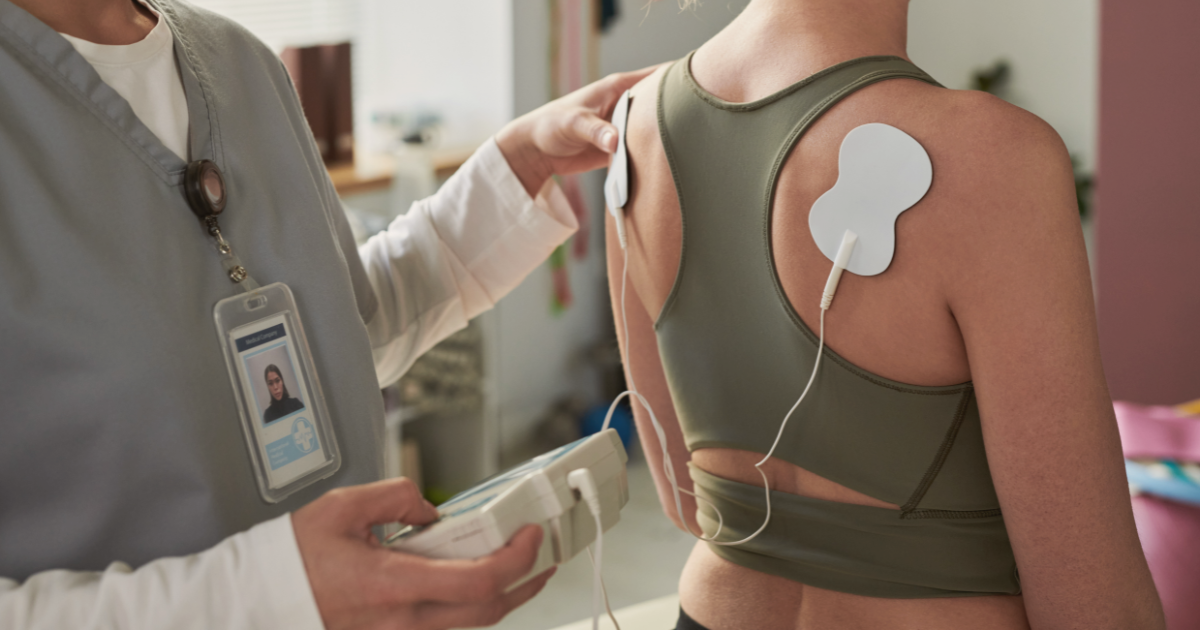
Used through electrodes placed on the skin, the device works directly with tissues and supports cellular function in two primary ways:
1. Supporting ATP Production
By delivering microcurrent, the BioModulator® may help enhance ATP production, providing cells with the energy needed for efficient performance.
2. Supporting Cellular Voltage
As an electron donor, the device may help maintain the electrical charge of cells, which is essential for nutrient exchange and overall cellular health.
These combined effects are intended to support the body at its most fundamental level—your cells.
Because of its gentle and versatile nature, microcurrent therapy can be incorporated into a wide variety of wellness routines. Many individuals choose to combine it with:
Exercise and movement practices
Recovery protocols
Nutritional strategies
Stress management techniques
Professional wellness or rehabilitation programs
As with any wellness approach, it’s a good idea to consult with a qualified professional to determine how microcurrent therapy fits into your personal goals.
What sets microcurrent therapy apart is its focus on supporting the body’s natural electrical and cellular systems—something that applies to everyone, not just those dealing with chronic concerns.
By working at the cellular level, it offers a unique approach to wellness that aligns with how the body is designed to function, making it an increasingly popular choice for those looking to support their health in a more foundational way.
Healy vs. Tennant BioModulator®: Similarities & Differences As interest in microcurrent therapy continues to grow, many people exploring wellness technologies
Microcurrent Therapy vs. TENS: Understanding the Key Differences Microcurrent therapy and TENS therapy are often confused because both technologies involve